

 LinkedIn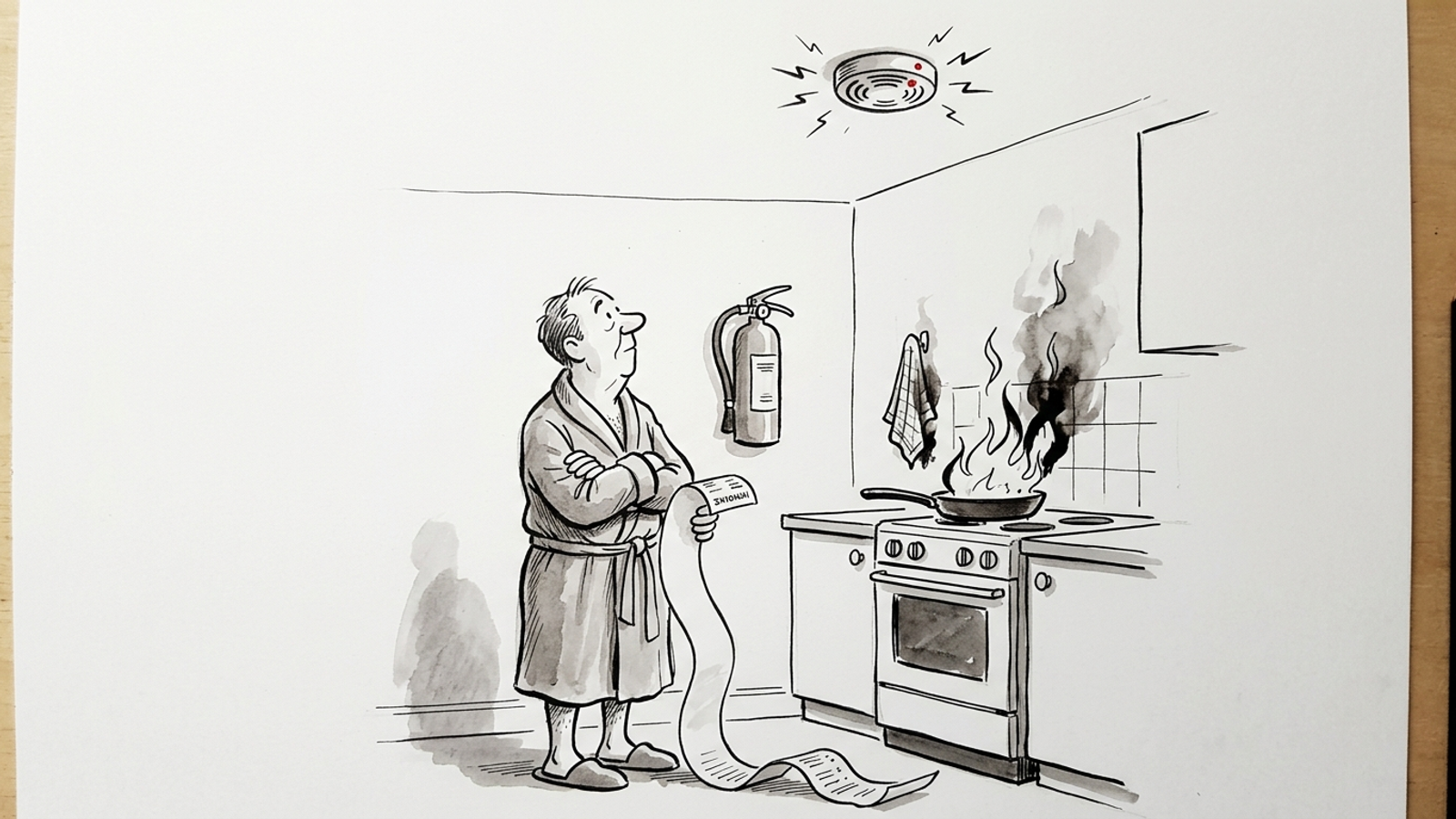
I spent the better part of a decade watching ad tech sell dashboards that reported problems instead of fixing them. Now answer engine optimization is selling the same thing: an alert that ChatGPT didn’t mention your brand, with the work of earning that mention left to you.
How do I get my business cited as a source in ChatGPT and Perplexity answers?
Start by dropping the assumption that an AI citation is simply a Google ranking in a different box. A study of 15,000 search prompts by Ahrefs found that only 28.6% of URLs cited by Perplexity ranked in Google’s top 10 for the exact query. For ChatGPT, only 8% of cited URLs came from Google’s top 10 organic results. Page-one SEO alone is not a citation plan.
When these engines use live web retrieval, they assemble an answer from material they can find and extract. A page that hides its useful answer beneath five paragraphs of throat-clearing makes that job harder. So does a product page full of claims with no specifications a reader can check. If you sell warehouse management software, someone asking about inventory tracking for multi-location 3PLs needs more than your promise to “streamline operations.”
I’d focus on three jobs:
- Publish answer-first reference content. Put the answer, comparison criteria or relevant data near the start of the section. Use clear headings and, where they fit, semantic HTML such as
<h2>,<table>and<dl>. - Give the web something beyond your sales page. Documentation and third-party discussion help establish context an engine can draw on. How ChatGPT and Perplexity pick sources is a better starting point than treating a mention as something you can buy from a tracker.
- Make the core text accessible. If
PerplexityBotorOAI-SearchBotcannot readily fetch the substance of a page without heavy client-side rendering, clever copy will not rescue it.
The practical test: can a reader, or a retrieval bot, find the answer and its supporting detail without excavating your site?
What tools actually help me get featured in Google AI Overviews, not just monitored?
A monitoring tool cannot earn a citation on its own. That sounds obvious until you look at what gets sold as optimization. A pricing breakdown across AEO trackers lists Otterly.AI starting at $29 a month for 15 prompts, Semrush at $99 a month per domain for 25 prompts, Peec AI between $95 and $495 a month, and Profound at $99 to $399 or more per month. The fee may buy useful visibility into where competitors appear. It does not, by itself, change your site.
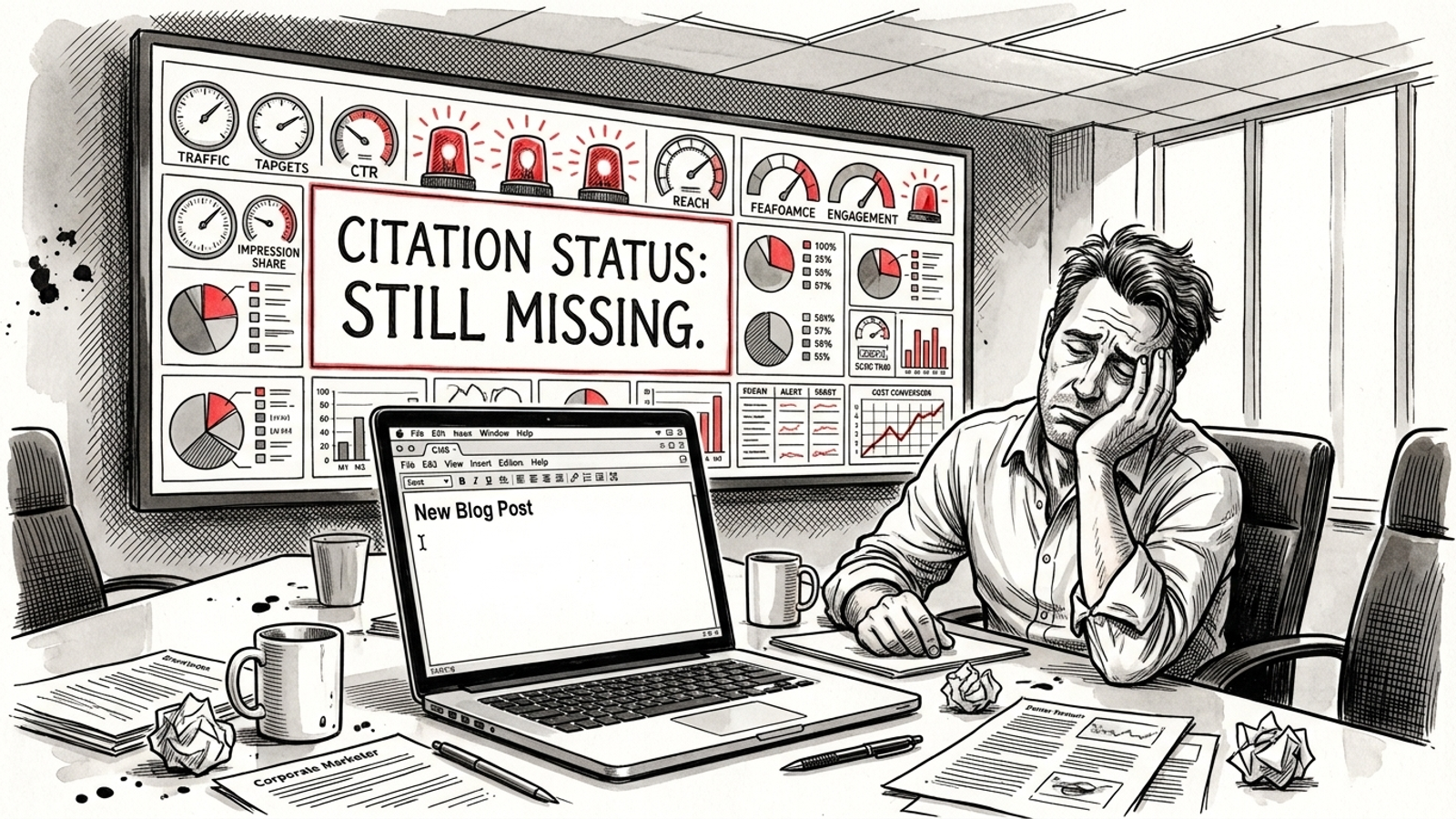
That is the complaint in this r/SaaS discussion of AEO platforms: the report arrives, then the work lands back on the operator. If you are comparing tools that claim to help you appear in Google AI Overviews, ask what happens after they spot the gap. Who writes the answer-first page? Who fixes the crawl block? Who publishes the change?
That is the distinction behind groas. Its specialized models execute content and technical work continuously under a dedicated human strategist’s guardrails, rather than leaving you with another dashboard to inspect over coffee. No platform can promise placement in an AI Overview. But there is a difference between software that records your absence and a system that does the work intended to address it. A bathroom scale can be accurate and still be the wrong tool for losing weight.
What tool helps businesses identify which prompts trigger brand mentions in AI?
When I managed Google Ads accounts, the search term report gave me actual queries to inspect and negatives to add. AI prompt discovery looks similar in a demo, but a tracked prompt is not a record of what every real user asked. People can describe full scenarios, and an AI engine may break one prompt into several sub-queries, a process called query fan-out. In an analysis of enterprise server logs, JetOctopus CTO Serge Bezborodov reported that queries of 10 words or more grew 161% year over year. A short keyword list will miss a lot of that terrain.
For broad discovery, Ahrefs Brand Radar tracks AI visibility across a database of more than 405 million search-backed prompts modeled on questions and semantic clusters. Peec AI and Profound can test custom prompt libraries for brand share of voice. Those are ways to find questions worth investigating, not proof of how often a buyer sees your brand.
Check how a vendor runs its tests. An Arbling benchmark found that static-memory model queries cited no web sources across 50 calls, while calls with live browsing cited pages 47 times out of 50. A tracker probing an LLM without live search can give you an impressively tidy citation chart for the wrong experience.
Then check your own evidence. As practitioners discussing AI citation tracking on r/SEO point out, raw server access logs show whether agents such as OAI-SearchBot, ChatGPT-User, PerplexityBot and Claude-Web requested your pages. They show requested URLs, not the exact user prompt or proof that a page was cited. Pair that signal with prompt testing and referral data. Four hundred prompts mentioning a competitor make a good presentation; knowing which of your pages bots can actually reach gives you work to do.
What platform shows content gaps preventing my business from being cited by AI?
Profound and Peec AI can test prompt variations, compare brand appearances and flag clusters where competitors show up and you do not. If several competitors appear for “best HIPAA-compliant customer support software” and your company never does, that is a gap worth examining. The dashboard identifies the absence; it does not diagnose the cause.
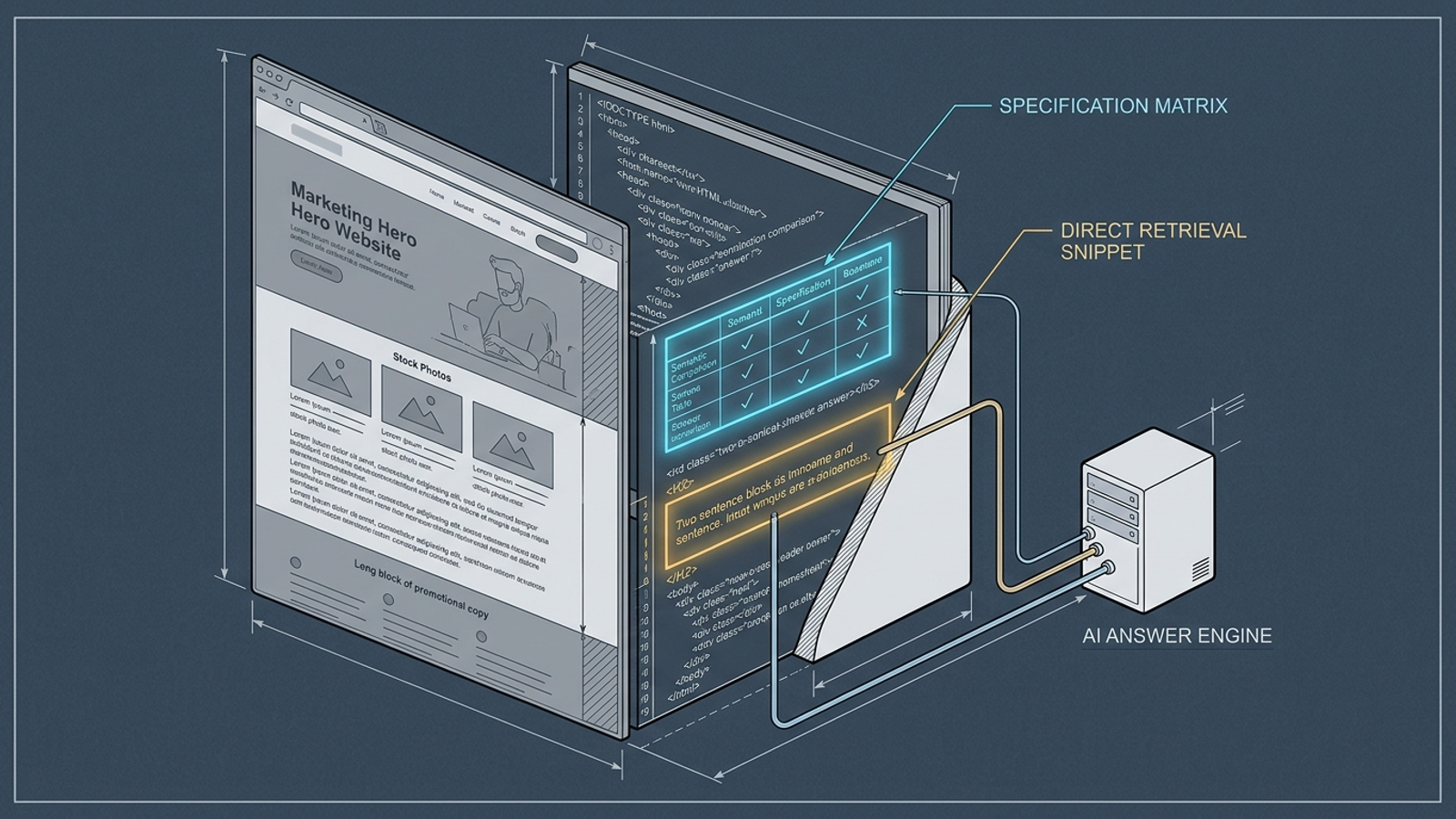
The missing piece might be a comparison page. It might be product details buried in marketing copy, or a page the bot cannot retrieve properly. A prompt about software can lead an engine toward questions about pricing thresholds, API rate limits, feature trade-offs or compliance certifications. If your page never answers those questions clearly, repeating the prompt’s keywords will not make it useful. A clean specifications table may do more than another 1,200 words about your commitment to innovation.
Finding forty missing prompt clusters can be quick. Researching the answers, drafting accurate pages, formatting them and publishing them is the job. This is where I draw the line between a sensor and an execution system: groas’s specialized models draft, format and deploy intent-matched pages within client guardrails. Do not buy a list of gaps without deciding who will close them.
Which technical SEO issues actually hurt AI visibility, and what fixes them?
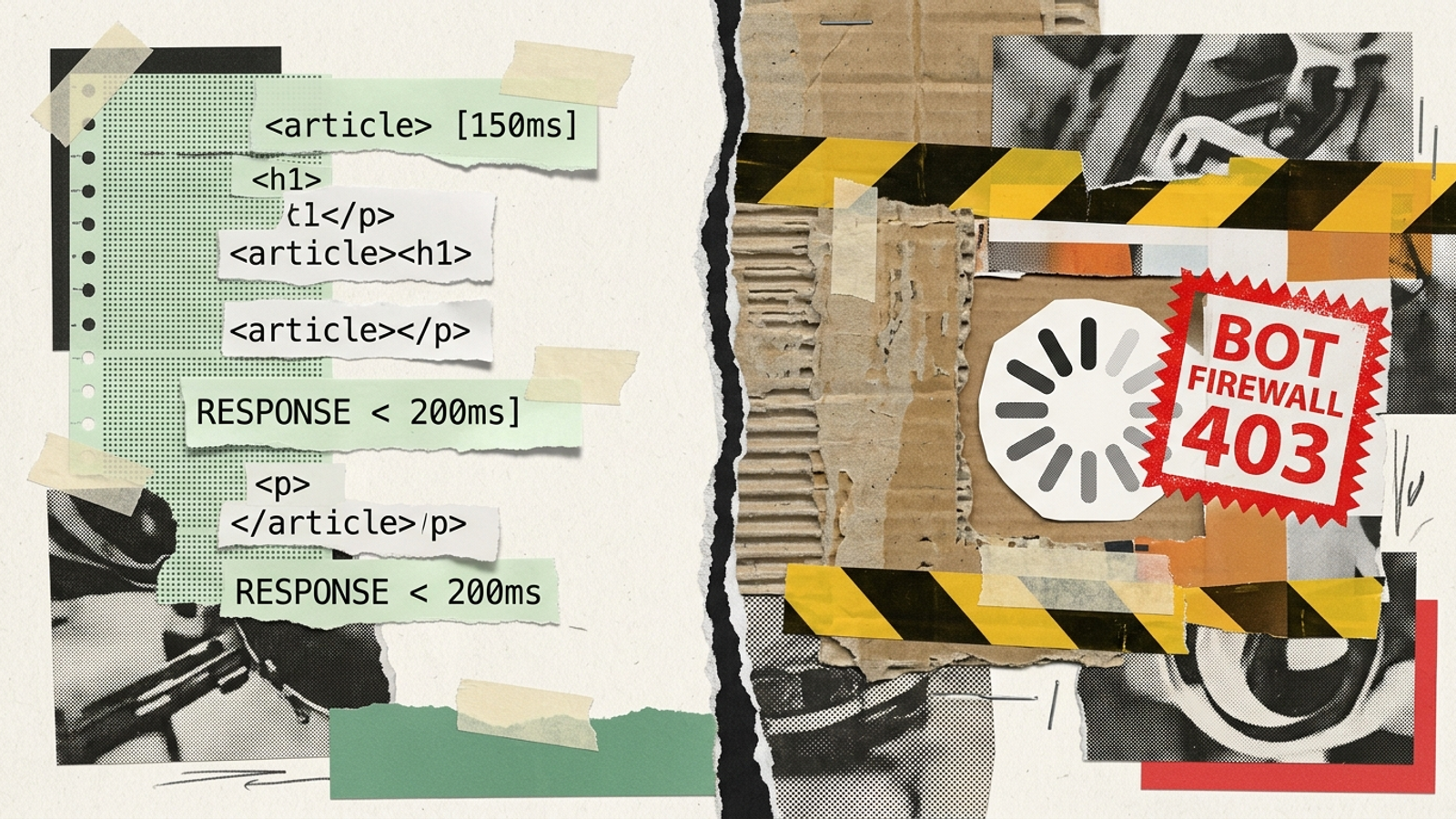
First, check whether your defenses block the bots you want to reach. As this technical AI search audit explains, blocking GPTBot concerns OpenAI model training. A blanket AI scraping rule in Cloudflare or a web application firewall can also block search agents such as OAI-SearchBot or PerplexityBot. Those are different decisions. Inspect the rules and the logs before calling the site AI-search-ready.
Second, look at what an agent receives before JavaScript runs. Google can render JavaScript in a later pass; live retrieval works under tighter time pressure. If your core pricing table or product details appear only after client-side React hydration, an agent fetching the initial HTML may miss them. Serve the important text in accessible HTML, and check whether slow server responses are getting in the way. Our guide to fixing technical SEO issues that hurt AI visibility walks through that audit.
I would do those checks before assigning a developer sprint to llms.txt. An Ahrefs study of 137,000 websites found that 97% of valid llms.txt files received no requests during May 2026; AI retrieval bots accounted for 1.1% of hits to files that did receive traffic. Google has said it ignores the file. If your live pages are blocked or hard to parse, a tidy Markdown summary is not the fix. Unblock the right agents and make the actual pages readable first.
How do I measure visibility across ChatGPT, Gemini and AI Overviews without fooling myself?
The fastest way to fool yourself is to put an AI Share of Voice percentage in a board deck without asking how it was made. Many tools run a set of prompts through an API, count brand appearances and turn the result into one number. That can be useful for tracking those prompts. It is not the same as measuring every live, personalized search experience. If the probe does not use live web search, its citations may tell you little about live retrieval.
I would keep three measures alongside any tracker score:
- Bot access to important pages. Review server logs for requests to product and comparison URLs from relevant search agents. A request shows access, not a citation.
- Verified AI referral sessions. Set up a GA4 channel grouping for referrers such as
chatgpt.com,perplexity.aiandgemini.google.com, then inspect where those visitors land. - Commercial outcomes. Connect identifiable sessions to qualified pipeline or closed-won revenue where you can. Do not quietly relabel an untracked citation as a sale.
In PPC, I never treated impressions as a substitute for qualified pipeline. AI visibility deserves the same skepticism. A mention may be worth pursuing, but a brand-appearance score is not a revenue metric.
Tool, in-house, or done-for-you?
Choose based on who will do the work after the report arrives. A monitoring subscription still needs someone to interpret alerts, research and write pages, publish them, and fix technical problems. An in-house team or agency can do that, but a monthly review cadence can leave a long gap between spotting a problem and changing the site. That is an operating-model issue, not a claim that skilled people have stopped mattering.
If you do not have an engineering team and a dedicated writer ready to act, software-only can become a paid homework generator. The alternative we built at groas is done-for-you autonomous execution: specialized models run the content and technical work continuously, while a named human strategist sets direction, guardrails and accountability. It uses a flat monthly fee with no setup costs. The reason to choose that model is not a prettier citation chart. It is that somebody owns the move from finding a problem to fixing it.
Who should just buy the monitoring tool and stop there
Buy the sensor if you already have an execution line. If you have a technical SEO, writers comfortable with semantic HTML, and engineering capacity to address crawl and performance issues, a tool such as Peec AI or Otterly can help them prioritize. I have no quarrel with that purchase. I have a quarrel with selling the sensor as though it writes, checks and publishes the answer.
Before you sign for any tool, agency or execution platform, ask who changes the page, who checks whether bots can fetch it, and who connects the work to buyers rather than mentions. A citation is not the finish line. The question I wish more business owners asked is: What attributable revenue does that citation produce, and what did it cost to earn?